Performance apparel is all about balancing functionality with aesthetics. One technique that has become increasingly popular is laser perforation, which enhances breathability while creating a clean, modern look.
In this article, we'd like to share some practical insights from our manufacturing experience and explain when laser perforation works best.
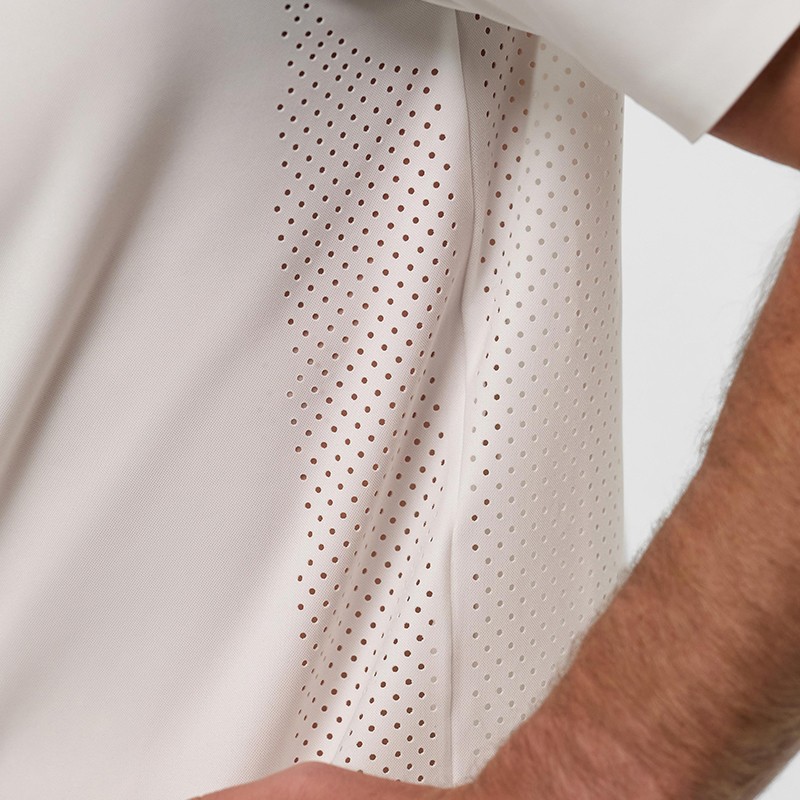
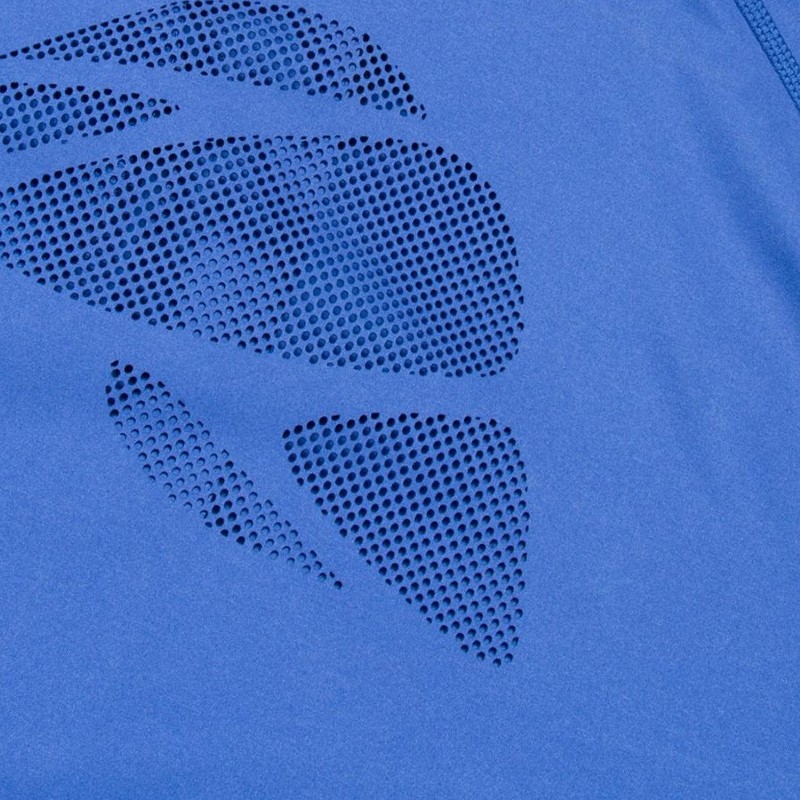
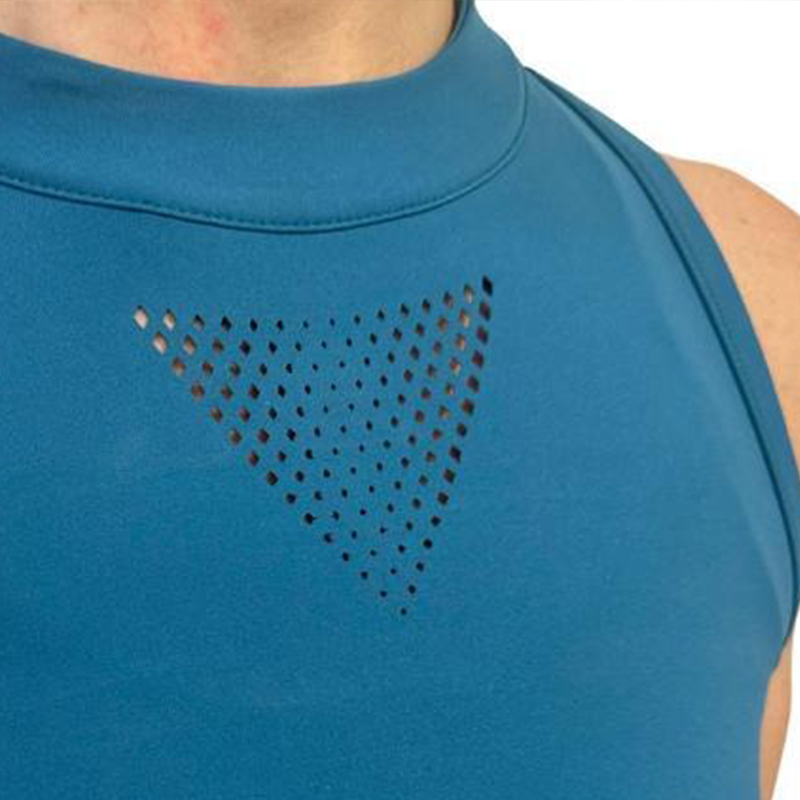
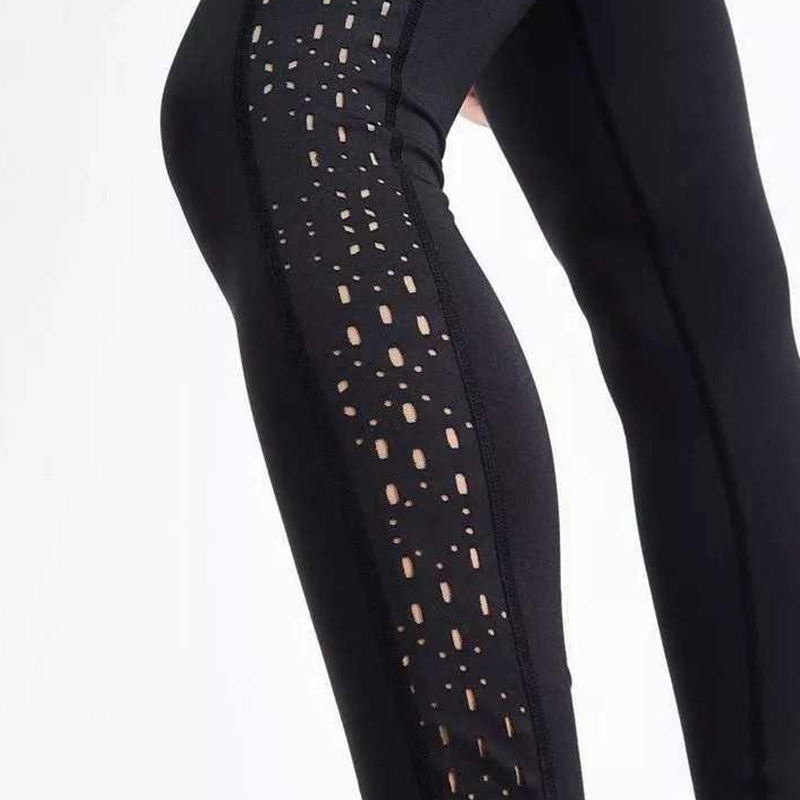
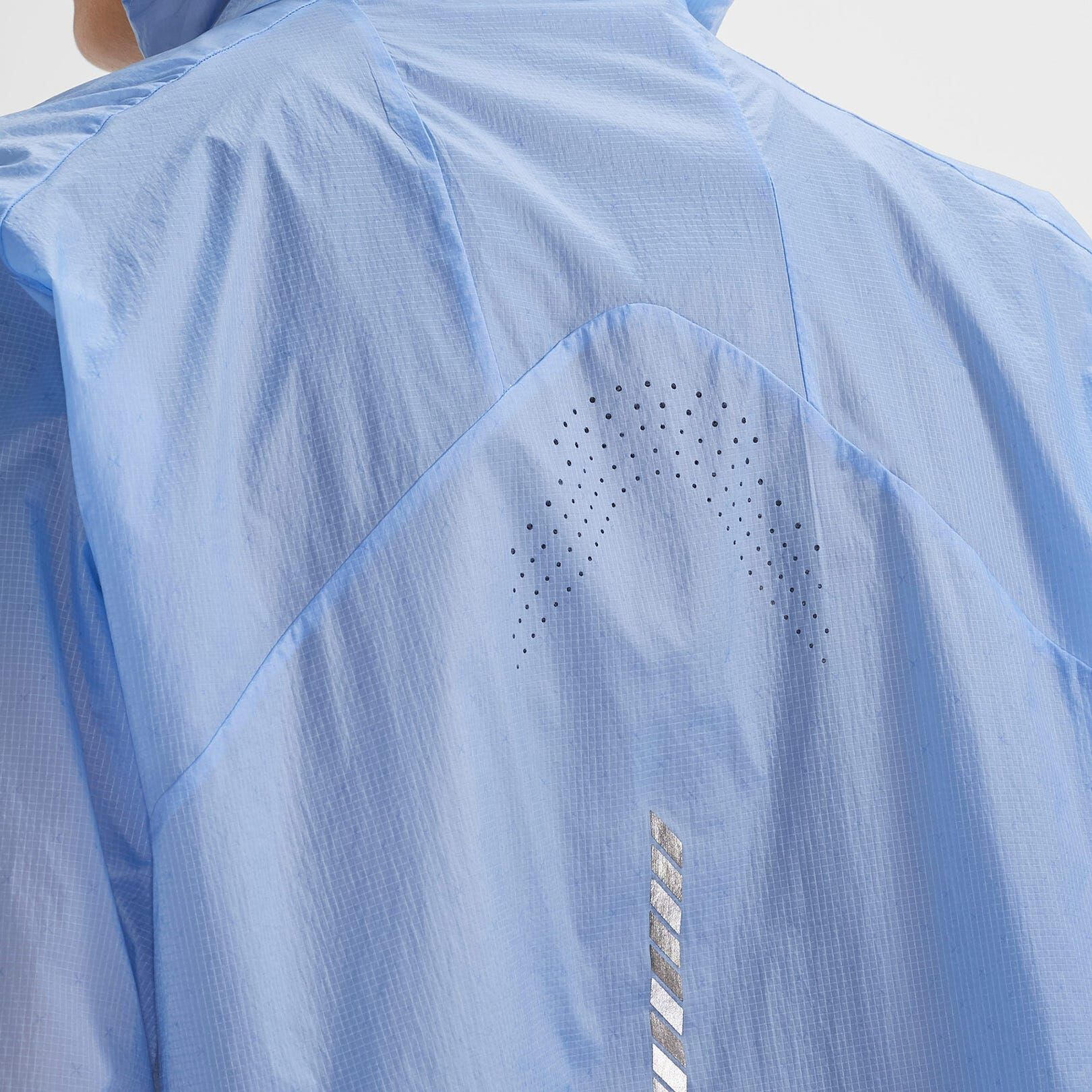
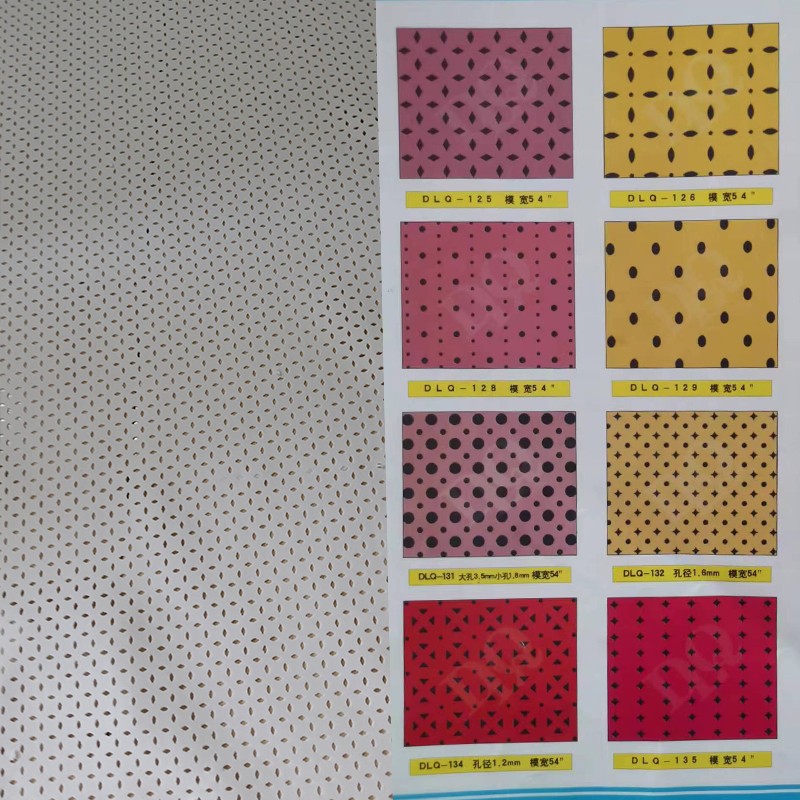
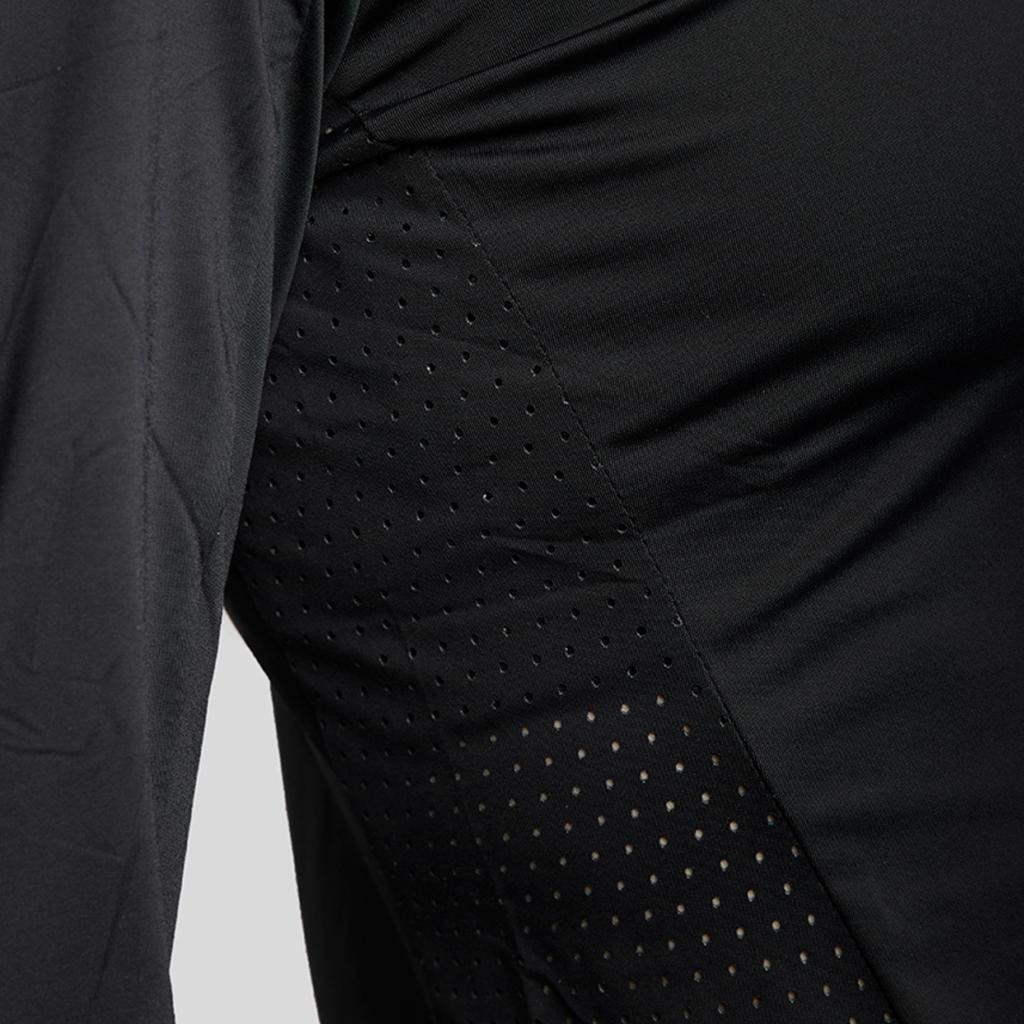
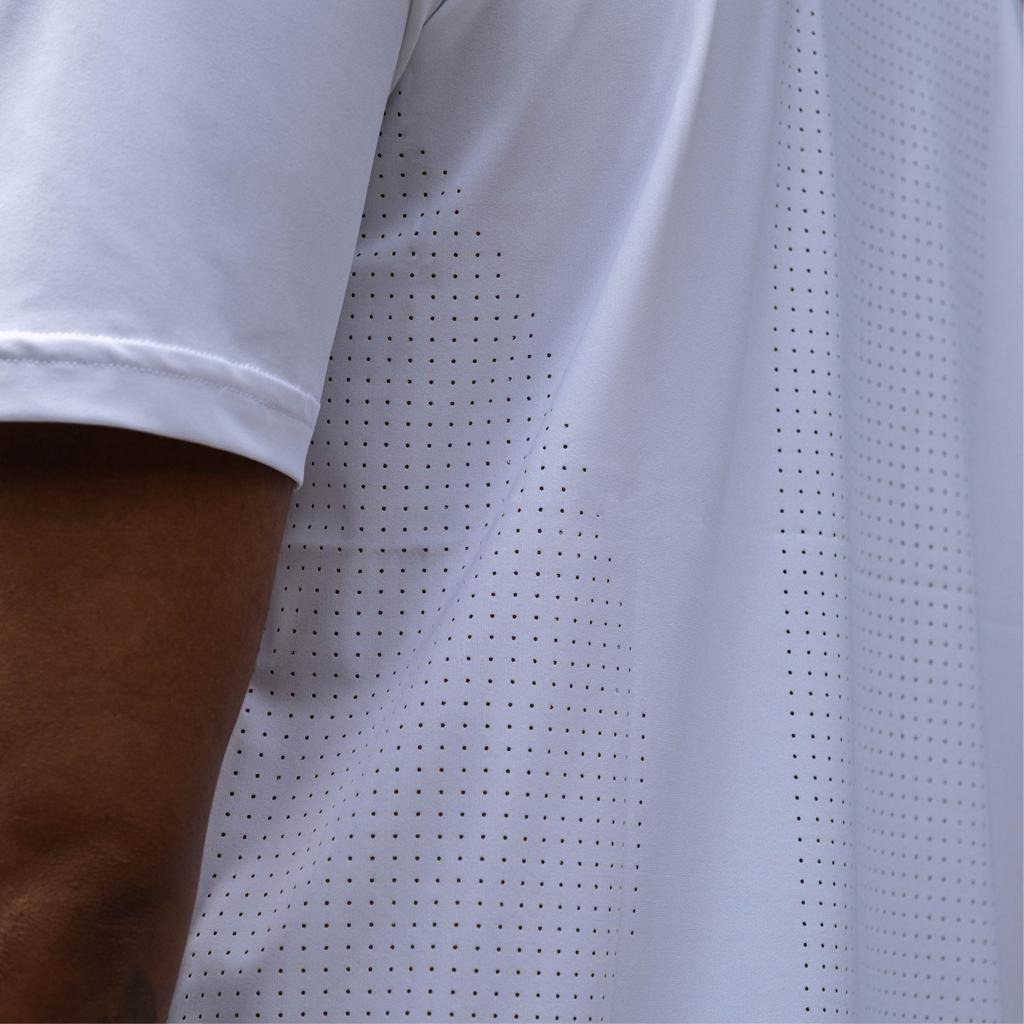
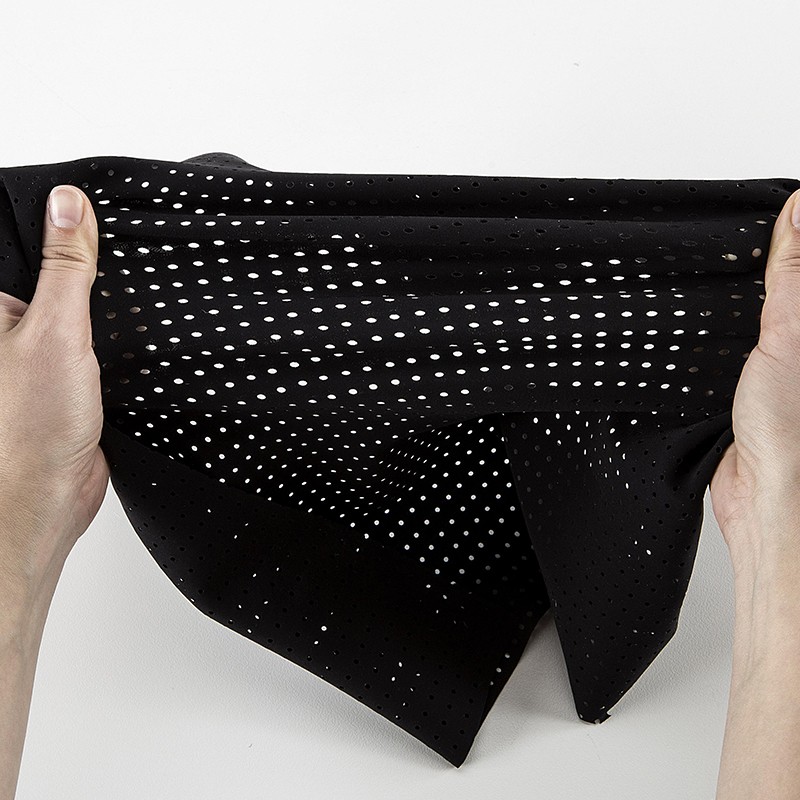
Laser perforation uses a high-precision laser to create ventilation holes directly in the fabric without the need for traditional punching tools.
Compared with die-cut perforation, laser cutting offers much greater flexibility for customized designs.
It is especially suitable for:
Small ventilation areas
Decorative perforation panels
Custom logo perforation
Unique geometric patterns
Because no physical mold is required, laser perforation allows designers much more freedom when creating technical sportswear.
In garment manufacturing, perforation is generally created using two methods:
Laser Perforation
Best for smaller areas
Ideal for custom patterns and logos
Excellent design flexibility
Suitable for premium sportswear details
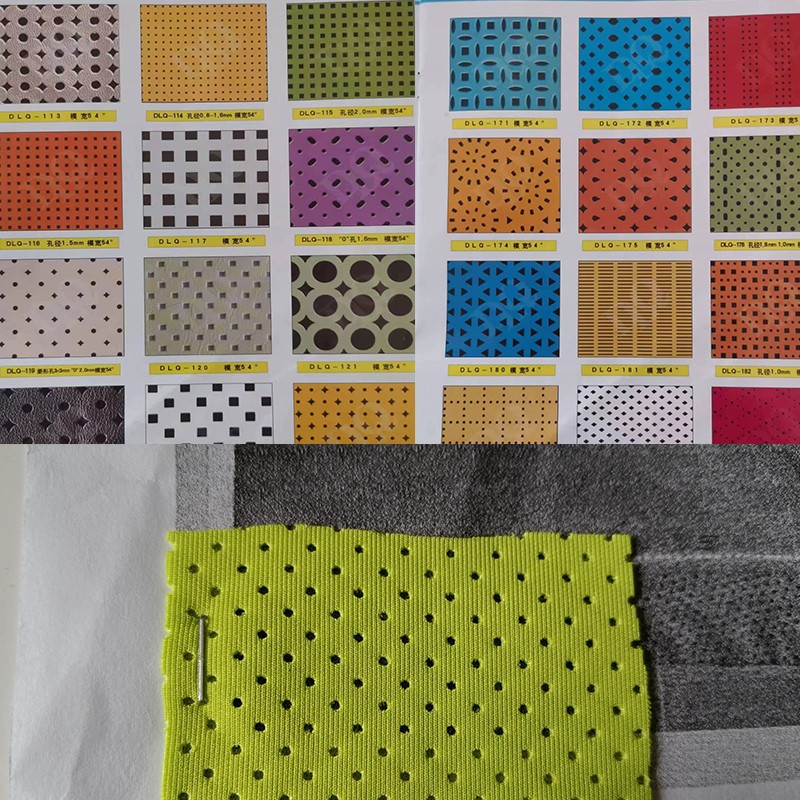
Die Perforation
Better for large perforated panels
More efficient for mass production
Consistent hole size across large areas
Often recommended when laser cutting is not the ideal solution
The choice depends on the garment design, fabric type, and production requirements.
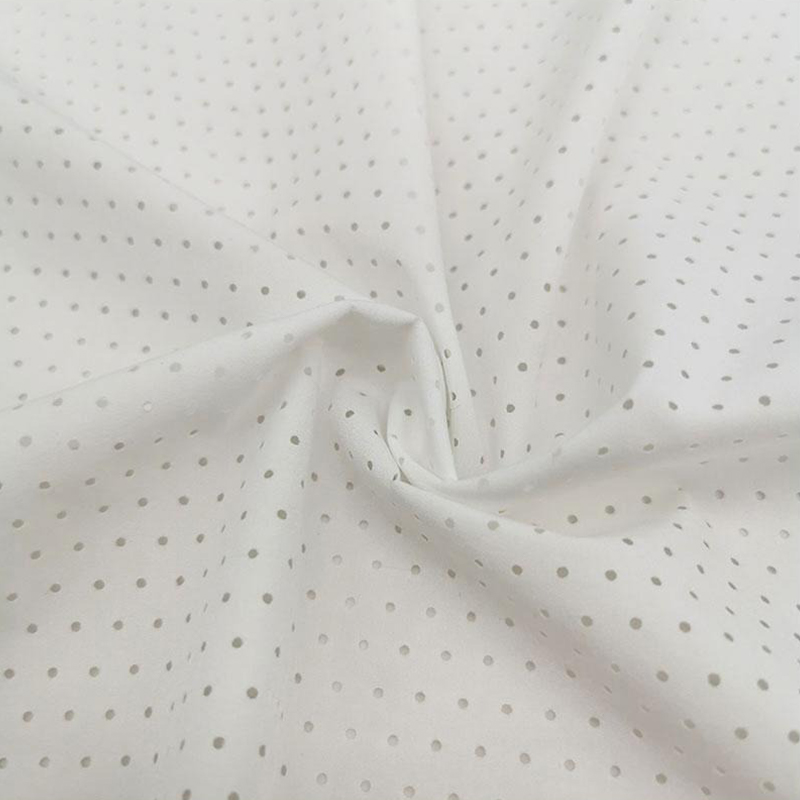
Fabric selection plays a significant role in the final appearance.
From our experience:
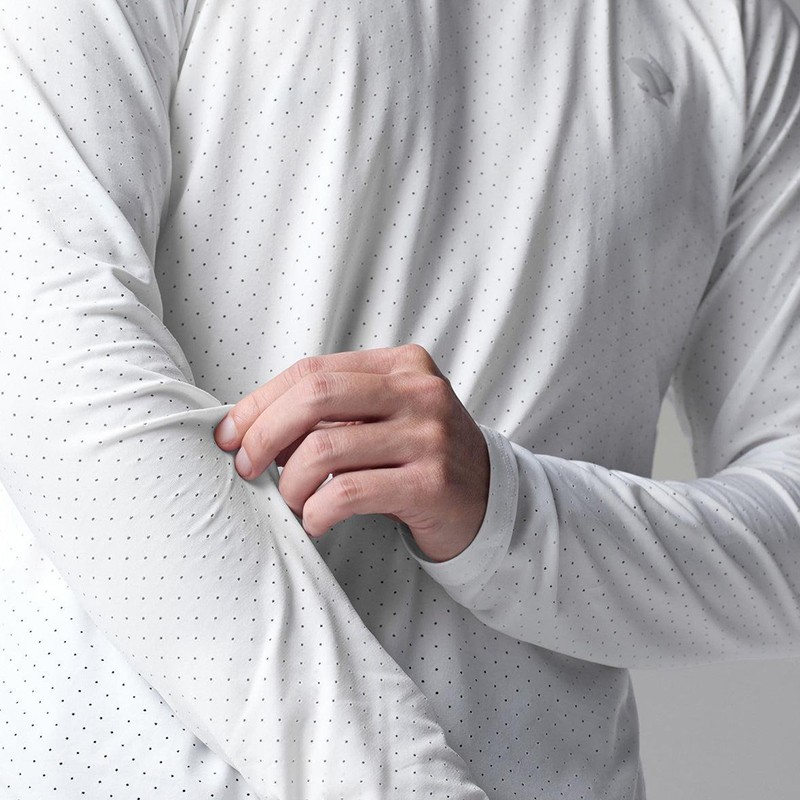
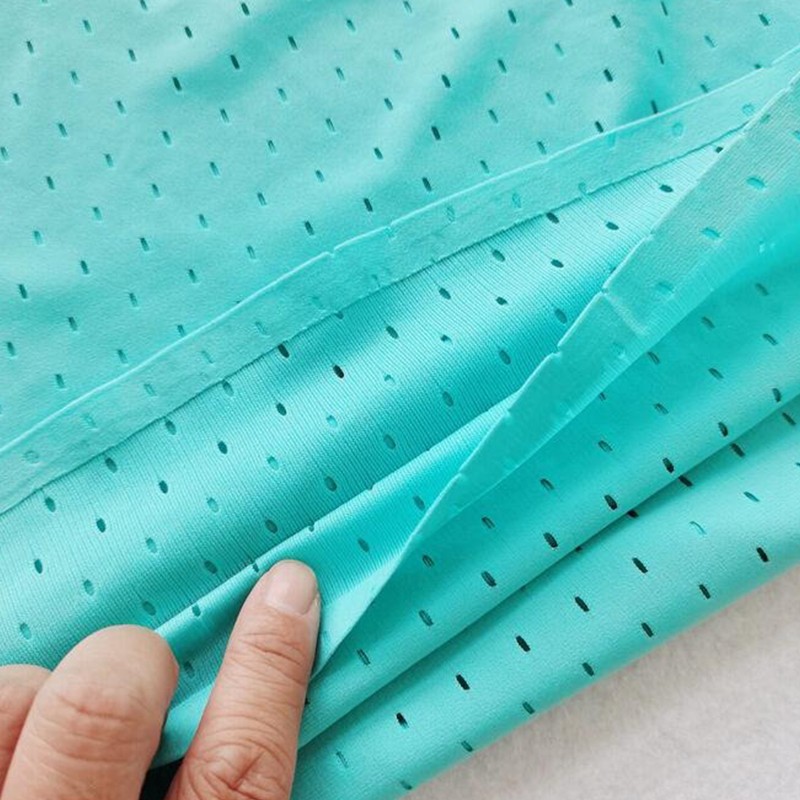
Nylon fabrics often provide a smoother and softer edge after laser cutting, making them a popular choice for garments worn close to the skin.
Polyester fabrics can also be laser perforated successfully, although the heat-sealed edges may feel slightly firmer depending on the fabric construction.
Very smooth or slippery fabrics may develop slightly rough edges after laser cutting, which can affect the final appearance.
For every new project, we usually test the fabric before recommending the most suitable perforation method.
Not every garment is best suited for laser perforation.
Factors we evaluate include:
Fabric composition
Fabric weight
Fabric surface
Stretch performance
Hole size
Hole spacing
Garment placement
If laser perforation isn't the best option, we'll often recommend die perforation instead to achieve better durability and appearance.
Selecting the right process is just as important as the design itself.
Whether you're designing equestrian apparel, activewear, or training garments, we're happy to help evaluate the best perforation solution for your project.
If you have a design in mind, feel free to contact us. We'd be glad to discuss the most suitable fabric and manufacturing process for your collection.
Contact us:
Dongguan Shuyu Activewear Co.,Ltd
Email: hazel@shuyuactivwear.com
WhatsApp: +86 15099712219
Sublimation Fitnesswear
Contact: Echo & Hazel
Phone: +86 18295384580 / +86 15099712219
Tel: +86 18295384580 / +86 15099712219
Email: Echo@shuyuactivewear.com, Hazel@shuyuactivewear.com
Add: DongGuan City,GuangDong Province, China


